


Hairballs are an all too common feature of cat parenthood. While the occasional hairball is a natural consequence of a cat's grooming, excessive hairballs can be uncomfortable and an inability to pass hair through the digestive system could lead to dangerous blockages. Fortunately, there are cat foods (and other products) specifically designed to help control hairballs and facilitate their passing. In this article, we'll explore what causes hairballs in cats, how hairball control cat food works, and some other tips for managing hairballs.
Here at tuft + paw, we are cat experts. We're intimately familiar with the cat food features that are most important to cats and cat parents alike. The information in this article is based on consultation with a feline nutritionist, extensive online research, and our own experience as cat parents.
What Causes Hairballs in Cats?
Hairballs are the result of a cat's natural grooming behavior. When cats groom themselves, their rough tongue pulls loose fur from their coats, and some of this fur is ingested. Most fur passes through their digestive system and is pooped out. However, sometimes this swallowed hair can get tangled and accumulate in their stomach to form a hairball. Once a hairball is formed, it may still be passed through the intestine, but it can also be regurgitated.
Factors that can impact how often your cat throws up hairballs include:
|
How Does Cat Food Control Hairballs?
Hairball control cat food works by addressing certain factors that contribute to hairball formation:
Fiber Content
High-fiber diets, particularly those rich in insoluble fiber, help move hair through the digestive tract more efficiently. This reduces the likelihood of hairballs forming in the stomach and promotes regular bowel movements. Fiber increases the size and softens the texture of a cat’s stool, making it easier and faster to move along their digestive tract and lessening the chance of fur fibers clumping together.
We should note that a cat food can include some plant fiber and still be a low carb cat food. Caloric carb sources like grains are more of an issue, because they may be used as filler to boost the volume and calories of lower quality cat food. Cat food should always be high in protein and prioritize easily digestible meat sources.

Water Content
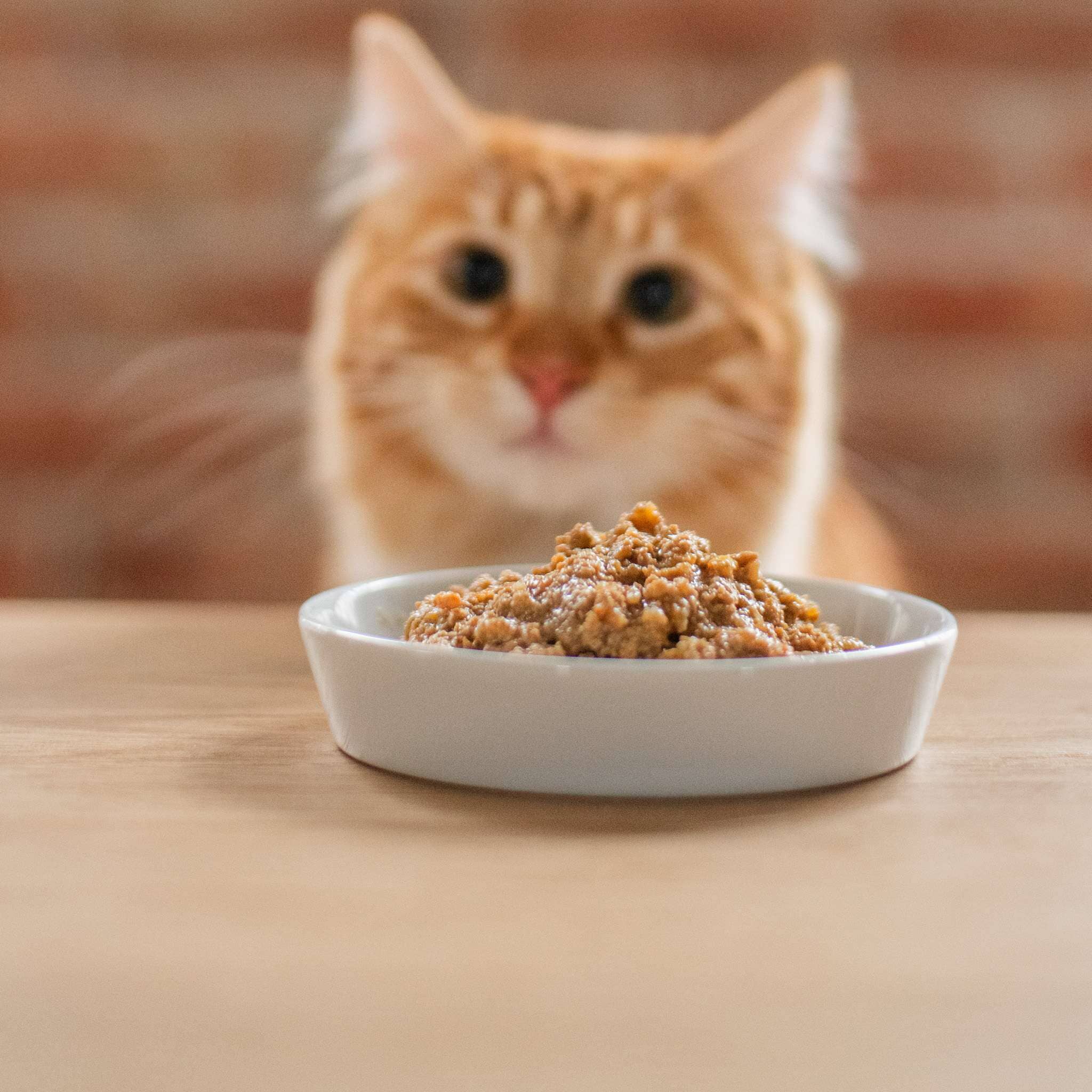
Aside from being literally essential for survival, water helps lubricate both the digestive system and the food being digested. This reduces the chance of fur fibers clumping into a hairball, and keeps your cat’s digestive system running smoothly. We recommend feeding your cat primarily wet food, or at least supplementing a dry food diet with another source of moisture (e.g. broth, wet treats, wet food).
Fat Content
Like water, fat and oils act as a lubricant in a cat’s digestive system. Furthermore, many fats (e.g. omega-3s) are required for optimal skin and coat health. A healthy coat will not shed any more than is necessary, minimizing the amount of fur your cat could ingest when grooming themselves.

Ease of Digestion
Each of the previous three factors are specific aspects of one overarching factor: ease of digestion. Easily digestible cat food ensures that nutrients are absorbed efficiently and that the digestive system functions properly. Fiber, water, and fat are all part of this equation, but are not the only parts. Other features like protein digestibility affect a food’s ease of digestion and contribute to the larger interconnected ecosystem that is your cat’s health. These considerations are especially important if your cat has a sensitive stomach.
Nutritious for a Healthy Coat
As mentioned above, a healthy coat that doesn’t overshed is a key part of reducing hairball frequency. Healthy fats are essential for this, but so are many other nutrients, vitamins, and minerals. A complete and balanced wet cat food should provide everything your cat needs to have a lustrous, healthy coat.
Hairball Control Tips for Cat Parents
Cat food isn’t the only piece of the hairball puzzle. Here are some other tips that can make a difference:
Groom Your Cat
Regularly grooming your cat with a brush helps remove loose fur before they have a chance to ingest it. This is especially important during the spring when cats shed their winter coat. You can use a regular bristle brush, silicone brush, or even pet your cat with damp hands or damp paper towel to remove loose fur.
Keep Your Cat Entertained
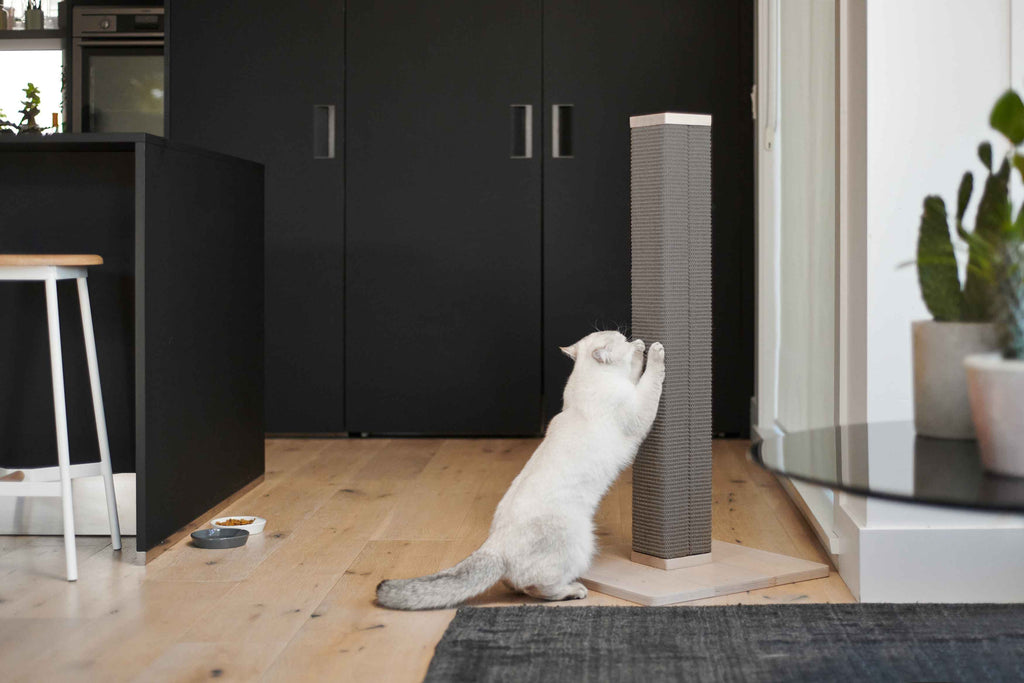
Cats that are bored or stressed may groom themselves excessively, leading to an increase in hairball formation. Provide your cat with plenty of toys, scratching posts, and perches, and play with them for 15 minutes per day if you can. This will provide an outlet for excess energy which may otherwise be directed towards grooming.
Try Hairball Lubricant
Hairball lubricants are edible gels or oils which can be fed to your cat. These substances will line your cat’s digestive tract and help hairballs move along smoothly.
Try Cat Grass
Cat grass is a fun way to add fiber to your cat’s diet. Many cats love snacking on houseplants, and cat grass gives them a completely safe option which will facilitate the passing of hairballs.
Cat Foods That Help Control Hairballs
Choosing the right cat food to help control hairballs largely depends on your cat’s specific needs. If they have a chronic issue with hairballs, you should probably opt for a food designed to help with hairballs. If the issue is less serious or you want to be preventative, a quality food with high moisture content and fiber sources should do the trick.
tuft + paw Really Great Cat Food
A high quality cat food with a high moisture content and plenty of fiber sources. Suitable for all life stages and promoting overall health.
Protein source: Chicken, rabbit
Fiber sources: Pumpkin puree, carrots, ground flaxseed, dandelion greens
Moisture content: 82%
Calories: 138 cal/5.5 oz box = 25 cal/oz
Price: $69 for 24 x 5.5 oz box = $0.52/oz
Smalls Fresh Cat Food
Smalls offers a variety of fresh recipes which, like the previous option, have some fiber sources and a focus on easily digestible animal protein. The moisture content is lower, but cat parents can add water if needed.
Protein options: Chicken, beef, pork, turkey, or fish
Fiber sources: green beans, kale, dandelion greens
Moisture content: 72-76%
Calories: 200 cal/5 oz pack = 40 cal/oz
Price: $4.00 per 5 oz pack = $0.80/oz
Hill’s Science Diet Urinary Hairball Control Wet Cat Food
A canned wet food specially formulated to help with hairballs and urinary health. However, cat parents who prefer to avoid grains in cat food may not like this recipe.
Protein options: Chicken, turkey giblets, pork byproduct, pork liver
Fiber sources: cellulose, corn starch, rice, soybean meal, dried beet pulp
Moisture content: 78%
Calories: 82 cal/2.9 oz can = 28 cal/oz
Price: $47.52 for 24 x 2.9 oz cans = $0.69/oz
Iams Proactive Health Indoor Weight & Hairball Care Dry Cat Food
For cats who prefer kibble, this Iams formula is intended for indoor cats who need help with hairballs and weight management. Note that dry food is much more caloric, has more carbs, and is typically cheaper than wet food.
Protein sources: Chicken, chicken byproduct, turkey
Fiber sources: Corn, sorghum, beet pulp, cellulose
Calories: 3364 cal/kg = 95 cal/oz
Price: $39.98 for 22-lb bag = $1.82/lb
Conclusion: You Can Do It!
To totally conquer your cat’s hairball issues will likely require a combination of dietary changes, grooming, and lifestyle adjustments. If the hairballs become a more concerning problem, go see your veterinarian. They will be able to provide you with expert advice and a systematic plan of action to tackle your cat’s hairballs. Whatever the case may be, you can do it and with a concerted effort you’ll be able to keep your cat happier and healthier. Good luck!


Article has 0 comments
Leave a comment Cancel
Leave a Comment