


There are so many types of cat litter, but which type of cat litter is the best for you and your cat? In the article, we'll go over all the most popular kinds of cat litter, their pros and cons, and which situations each one is best for.
Here at tuft + paw, we are cat experts. We're intimately familiar with features that are most important to cats and we also spoke to actual cat and cat furniture experts to do some of the research for you on figuring out the benefits and drawbacks of different types of cat litter.
Cat Litter Types
1. Clay Cat Litter

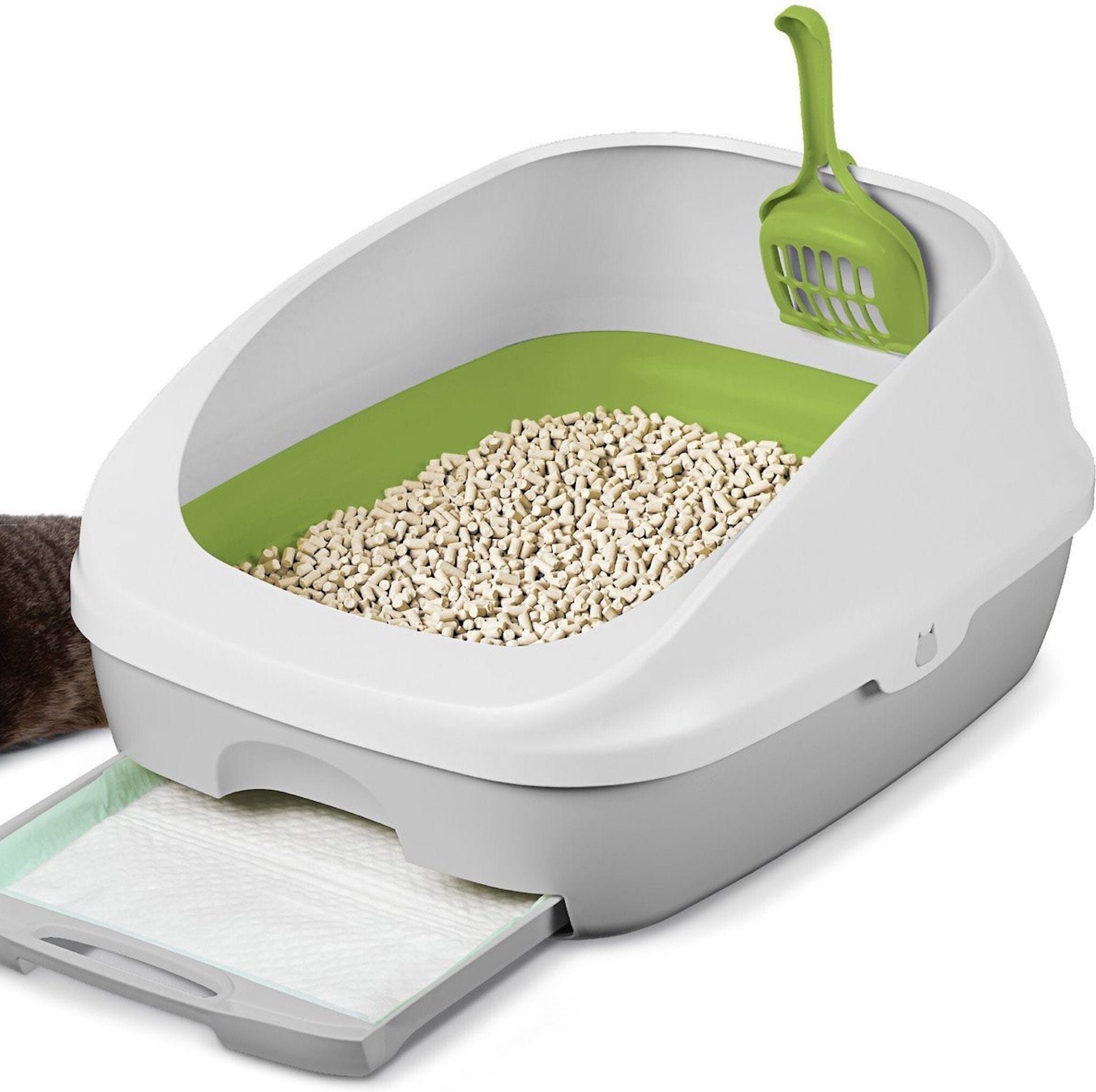
Cove Modern Litter Box by tuft + paw - Shop Here
Clay is one of the oldest and most commonly used types of cat litter. There are both clumping and non-clumping clay litters.
Clay has become popular largely because it was the first type of commercial cat litter on the market—appearing in 1947—and it's sold virtually anywhere you can buy pet supplies. You’ll find many different brands of this litter with each brand using a slightly different formulation that often results in added ingredients to help neutralize odor (i.e. baking soda, synthetic fragrance).
Some practical downsides of clay are that it's prone to tracking, can be dusty, and is very heavy to carry. In our opinion, the more serious concerns are that it contains crystalline silica dust, a known carcinogen when inhaled, and it's harvested by strip mining. This means it's not a very environmentally friendly material and can also be unhealthy for cats and humans.
For non-clumping clay cat litter, you’ll find that it absorbs its weight in liquid; however, because it doesn’t clump together, you’ll find you often have to change the litter.
| Pros of Non-Clumping Clay Litter | Cons of Non-Clumping Clay Litter |
|
|
For clumping clay cat litter, the litter will absorb liquid and form small clumps that make it easier to clean out the litter box without having to empty the entire contents.
| Pros of Clumping Clay Litter | Cons of Clumping Clay Litter |
|
|
The biggest difference between the two comes down to price (clumping is more expensive, generally) and how often you're willing to completely change out the litter (non-clumping requires more frequent changing).
Bottom line: clumping may be more expensive, but you will have to use it less frequently, making the price difference not as significant.
@tuftandpaw Replying to @𝐸𝓁𝓁𝒶 We really wish we started using a low-tracking litter sooner. It is honestly frustrating to constantly clean up after your cat. When it comes to choosing the right cat litter, we all want a product that's not only effective at controlling odours but is also as dust-free as possible. All cat litter is not created equal and that really shows in this TikTok. #lowtrackingcatlitter #dustfreecatlitter #bestcatlitter #naturalcatlitter #claylitter #bestcatlitter2023 #catproducts #bestcatproducts #soycatlitter ♬ original sound - zeameizus
2. Tofu Cat Litter

Really Great Cat Litter by tuft + paw - Shop Here
Next up, there is tofu cat litter. Probably one of the newest types of cat litter available on the market, tofu cat litter is quickly gaining popularity, and once you learn about some of its features, it won’t be hard to determine why. It's made out of soybean fibre, so it's all natural, biodegradable, non-toxic, and virtually dust-free. Most brands come in the form of low tracking pellets that clump fairly well and, best of all, can be flushed down the toilet.
However, because tofu litter is a plant-based material, it can be vulnerable to mold if stored in humid conditions. It's also on the pricier side for cat litter.
If you want to learn more about tofu litter, check out these resources or watch our video below:
| Pros of Tofu Litter | Cons of Tofu Litter |
|
|
3. Crystal (Silica Gel) Cat Litter

Crystal cat litter has started to become more popular in the last couple of years. Also known as silica cat litter, this type of litter is mined from quartz sand. These sand particles are then mixed with oxygen and water, giving us these highly absorbent crystals. In fact, because crystals allow water to evaporate, they can continue to absorb liquid waste for up to a month. If you want to learn more, check out our list of the 5 best crystal cat litters and the pros & cons of crystal litter.
| Pros of Crystal Cat Litter | Cons of Silica Cat Litter |
|
|
4. Paper Pellet Cat Litter

Paper pellet litter is made from exactly what you would expect—paper. Specifically, it is usually made from recycled newspapers, and, on occasion, may include other additions like leaves and sawdust depending on what brand you choose to buy. Paper litter usually comes in the form of large pellets which, when paired with the right high-sided litter box, can work wonders when it comes to litter tracking. It's a popular choice for cat parents who want a budget-friendly natural litter instead of clay.

Upon first glance, this might seem like the perfect cat litter considering recycled paper is so readily available, but paper pellets have their flaws. Here are the biggest pros and cons if this is a cat litter you plan on purchasing.
| Pros of Paper Pellet Litter | Cons of Paper Pellet Litter |
|
|
5. Walnut Cat Litter

Walnut cat litter is made from the crushed shells of walnuts. It is most often purchased as an alternative to clay cat litter because of the similar texture; however, walnut cat litter weighs much less, which is often appealing to those who clean out their cat litter boxes frequently. The lightweight nature of walnut cat litter also makes it easier for your cat to dig and cover up liquid and solid deposits.
| Pros of Walnut Litter | Cons of Walnut Litter |
|
|
6. Pine Pellet Cat Litter

Also often referred to as wood pellets, this type of litter is most well known for its natural pine scent. Switching to a pellet litter can also be a great way to stop litter tracking. Pine litter often receives praise for its environmentally friendly nature, but not too surprisingly, it's not without their flaws.
| Pros of Pine Pellet Litter | Cons of Pine Pellet Litter |
|
|
7. Corn Cat Litter

Known for its biodegradable and compostable nature, corn cat litter is a popular environmentally-friendly cat litter option. It usually has decent clumping, and is often flushable, though the odor control is so-so and it can be prone to tracking. The most popular corn litter brand, which we recently reviewed in-depth, is World's Best Cat Litter.
| PROS of corn cat litter | CONS of corn cat litter |
|
|
So What's The Best Cat Litter Overall?
There are a lot of considerations to make when purchasing cat litter, but in our books, there is only one litter that holds up against all 9 important factors that we list out in detail below.
Our choice for best cat litter overall is tofu cat litter.
We choose tofu cat litter as the best cat litter because it can satisfy a variety of different needs. Whether you’re concerned about the environment, want to keep a tidy home, or, most importantly, want to give your cat the healthiest and safest option, tofu cat litter delivers on all fronts.

Tofu cat litter is 100% natural, flushable, clumping, absorbent, non-tracking, lightweight, and dust-free. The only hesitancy some people have with tofu cat litter is the price, but when you purchase a higher quality litter like tofu, you won’t have to clean the box as frequently, meaning you’ll use less product and one bag will last you much longer than conventional cat litter.
To get a better idea of which tofu litters are standing out from the rest, check out our list of the 5 best tofu cat litters on the market today.
Really Great Cat Litter

After discovering how much better tofu cat litter was, we had to formulate our own. We truly believe that our Tuft + Paw tofu litter is not only the best tofu litter available, it’s the BEST cat litter overall.
Factors To Consider When Choosing Cat Litter
1. Safety + Health
Safety should be the number one concern when deciding on cat litter. If the cat litter is not safe for your cat—regardless of its other benefits—it should automatically be discounted.
Some of the common safety concerns you’ll find with cat litter include respiratory issues for both humans and cats (avoid litters with crystalline silica dust), chemical preservatives (often toxic), strong perfumes (cause sinus issues), sodium bentonite (used in clay litter can swell up 12 times its original volume, which can cause serious gastrointestinal distress if consumed).
Keep in mind, with sodium bentonite, your cat doesn’t even have to intentionally consume the litter. They can get this harmful product into their body simply by licking their paws after litter box use, which is a natural and common occurrence for cats.
While some will argue these litters are totally safe, it is our recommendation that you avoid this type of litter and use one of the safer options, especially with kittens who are much more prone to consuming these dangerous litters.
2. Cleanliness (Dust + Tracking)
In the past, owning a cat often meant accepting that you would find small traces of cat litter throughout your house (i.e. tracking). Cat litter also usually resulted in unwanted dust found throughout the home, which, for most, can be quite a downside to cat ownership.

If you want to keep your home clean and dust-free, look for non-tracking litter. In particular, you’ll find that clumping litters are the best option when prioritizing the cleanliness of your home.
Litters that are often praised for tracking and lack of dust production include walnut, pine, and tofu. Beyond the litter itself, using a high-sided litter box and litter mat can dramatically reduce tracking.
3. Hygiene
According to our cat behaviorist, Nicole Van Andel, “cats have an instinctual desire from their wild ancient ancestors to eliminate in a fresh, odorless, and untouched area.” This means that finding a cat litter that can stay relatively clean is not only a benefit to you, but it’s also something that your cat will appreciate.
To keep litter boxes clean, picking a cat litter that is easy for you to clean is probably your best. In most cases, clumping litter is the easiest to clean.
You’ll also want to consider how much time and maintenance you’re willing to dedicate to litter box cleaning. For example, silica can be hygenic option for your cat, but if you’re not committed to stirring the litter daily, as well as cleaning out excrement daily, this is not a great option.
4. Clumping vs. Non-Clumping
Clumping cat litters have a lot of benefits. Most notably, cat owners generally prefer clumping litter because it makes litter box cleaning easy and mess-free. Cats also often appreciate this since it means their litter box is cleaner.
But clumping litters aren’t without their flaws. For example, as discussed above, the most popular clumping litter, clay litter, can be very dangerous if cats happen to consume their litter.
If you want the benefits of clumping litter, but you want to avoid the dangers of your cat consuming their litter, we recommend walnut litter or tofu litter. Walnut litter won’t clump as easily as clay litter, but you will get some of the clumping action without the dangerous trade-off. Tofu litter is also known for its clumping abilities, but it is not harmful if consumed.
5. Chemical Additives
This is often a personal preference, but remember, when you’re deciding on your cat’s litter, you’re not only making a decision for yourself, you’re making a decision for your cat.
When you choose a cat litter with strong artificial scents or colors, you might experience some benefits like cheaper price and fragrances that help cover up odors, but you might also be stressing out your cat.
To cover up odors, try a natural alternative like lavender petals or pine litter. For an affordable option, you could go with paper litter. If you really want to go the natural route and completely avoid synthetic additives, give tofu litter a try.
6. Odor
Cats have double the olfactory cells that you do at about 200 million, making their sense of smell extremely sensitive. Whether we’re talking about a stinky litter box or a litter box that is full of synthetic fragrances, your cat is not going to be pleased with any odors coming from their litter box.
Instead, opting for natural scents or completely unscented litter is best for your cat.
Avoiding synthetic fragrances is easy, simply don’t buy them. In particular, according to our cat behaviorist Nicole Van Andel, you’ll want to avoid citrus, citrus, clove, eucalyptus, and tea tree.

On the other end of the spectrum, avoiding a stinky litter box might be more difficult, depending on what type of cat litter you buy. Our best piece of advice is to buy a litter that is compatible with your ability to maintain your cat’s litter box. For example, if you can’t commit to daily cleaning, don’t purchase a high-maintenance litter. If you don’t want to commit to daily cleaning but you also don’t want to subject yourself and your cat to a smelly litter box, consider tofu cat litter.
7. Allergies (both for yourself and your cat)
Similar to the odor section above, the more natural you go, the more likely it is that you’ll be able to avoid any issues with allergies. Having said that, there are two exceptions: walnut cat litter and corn cat litter. While walnut cat litter is a natural option, it is also a common allergen, especially in humans. Cats can also have a food sensitivity to corn, making it not a great option for their litter box.
Picking a litter that is known for low dust production can also be helpful when considering things like allergens. Your best option for a low dust-producing litter is tofu.
8. Eco-friendly
One of the biggest reasons why eco-friendly cat litters have become more common is because of the issues surrounding traditional cat litters. Most notably, clumping cat litters made from sodium bentonite often end up in landfills, and because these litters can swell to 12 times their size when exposed to water, these litters take up a considerate amount of space in landfills, which we all know is dangerous for the environment.
If you want to make the most eco-friendly choice possible, picking a cat litter that can safely be flushed down the toilet like tofu or corn are great options.
@tuftandpaw If you’re seeing this and you use clay… don’t panic!! We’re not tryna incite fear, but rather share some knowledge of what we’ve learned during our thorough research of cat litters. Clay has *dominated* the cat litter market for the better part of a century, but that monopoly is weakening as cat parents become more informed on the potential health risks and environmental price of clay cat litter. We totally understand that clay is most readily available, along with being among the most affordable of options, but if you’re open to learning more about natural cat litters there may be an alternative that’s just as good of a fit. Natural cat litters (like tofu litter, corn or pine) have burst on to the scene in recent years, offering many of the perks of clay—clumping, odor control—without the serious drawbacks 😸 #claycatlitter #naturalcatlitter #litterboxtips #catlitterreview #catlittertips #claylitter #claylitteralternative #catpeopleproblems #catparentsoftiktok #Later ♬ original sound - tuft + paw
9. Cost
When you’ve considered all the factors and you’re stuck between multiple options, the cost might be worth considering.
In addition, when looking at cost, don’t forget to consider how frequently you’ll need to change the litter box. While higher-quality litters might be more expensive initially, in the long run, if they require less cleaning, you actually might end up spending less money.
Bottom line: Don’t be fooled into buying cheap litter. Not only is it likely not the best option for your cat, but it also likely will end up costing you in the long run.
Special Cat Litter Considerations If…
1. You have multiple cats
We’ll get right to the point here: If you have multiple cats, each cat should, at the very least, have access to their own litter box.
In fact, we actually recommend having multiple litter boxes even if you only have one cat. According to our cat behavior, this is the rule of thumb for the number of litter boxes you should have: The number of cats per household plus one (1 cat = 2 litter boxes, 2 cats = 3 litter boxes, etc).

Cats are not pack animals, meaning they like to have their space. Forcing cats to share a littler box can be stressful, and can result in your cat not using his litter box.
In addition, keeping litter boxes clean becomes even more important when you have multiple cats. If you’re not staying on top of the multiple boxes and one of your cats feels like there’s not a spot for him to relieve himself, you’ll find your cat might stop using the boxes. You might even experience aggression between your cats if they feel that they don’t have the proper facilities.
A low-maintenance cat litter that doesn’t require you to constantly be cleaning out multiple litter boxes is probably the best option for you. For instance, tofu cat litter is a great option.
2. You use a self-cleaning litter box
Self-cleaning litter boxes have sensors that detect when your cat has used her box and then it does the cleaning for you. Each self-cleaning litter box works slightly differently, but in general, once the sensors have detected that your cat has left the box, a rake will sift through the litter. When the rake detects clumps, it deposits the clumps into a contained receptacle outside the litter box for easy disposal. Clumping litter is required in order for the rake to detect the waste.
3. You have a kitten
Kittens are very curious. They are new to the world and are all about exploring their environment. In some instances, this might mean having a taste of their litter.
Because of this, you’ll absolutely want to avoid clumping litters since these clumps might look like tasty treats to kittens. In particular, under no circumstances should you use clay clumping litter or silica clumping litter since these litters will swell and cause extreme distress in your kitten, and possibly even death.
If you have a kitten under 8 weeks old, regardless of what kind of cat litter you use, you should keep an eye on them to ensure they’re not ingesting their litter.
4. You have an elderly cat
Cats like to keep themselves clean. This often means licking and cleaning their paws after litter box use, especially with “sticky” cat litter that adheres to the bottom of the paws and causes tracking.
When you have an elderly cat who might struggle to lick their paws, you want to go with a non-tracking litter like tofu to help discourage licking.
We also recommend staying away from litters that use smaller granules like clay, corn, and silica since these can get wedged in the toes of elderly cats who struggle to clean themselves, causing irritation and discomfort.
Need more info? Check out our guide on how to switch your cat to a new litter.


Article has 5 comments
You forgot to mention CatGenie washable cat litter. Every time I mention it to someone, they’re a bit shocked – washable?
But yeah, I’ve been using it for the past 3.5 years. I literally just placed two orders of cat litter during all that period. It’s great for asthma since it truly removes the odor, but not the best for solids, so I still scoop and flush away.
So disappointed that you never mentioned the newer lightweight clay litter. How does this stack up?
We’ve been using the Walnut litter for the past year and we’re using regular litter, corn, and about every other kind. I absolutely love the Walnut litter. It’s easier to scoop both pee and poop and I find that it clumps much better. It also masks the smell better than any other product I’ve used and that including regular kitty litter that scented with all those chemicals. The litter last much longer too and I have two cats one litter box.
Can’t wait to try making homemade Treats for my darling fluff ball. He adores store bought varieties —hope he’ll like mine! I’ll have to think about tofu cat litter.🤔
Leave a comment Cancel
Leave a Comment